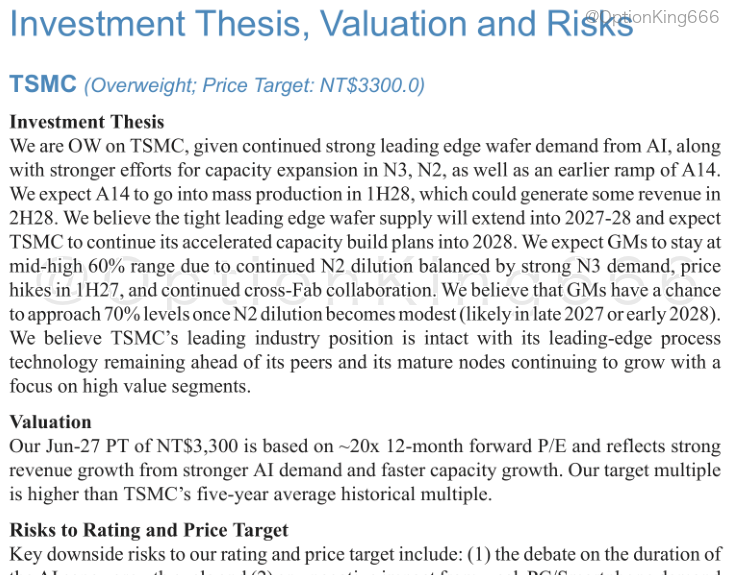
Apple is reportedly securing early production capacity for TSMC's 1.4-nanometer process, according to a recent research report from JPMorgan. The company aims to integrate these advanced chips into its 2028 iPhone models.
This strategic move follows the recent launch of the A20 Pro chip, which utilizes a 2-nanometer process. The A20 Pro currently powers the iPhone 18 Pro, iPhone 18 Pro Max, and the foldable iPhone Duo.
By locking in capacity ahead of time, Apple intends to mitigate risks associated with potential supply shortages. The company faces stiff competition for TSMC's advanced manufacturing resources from firms like NVIDIA.
Transitioning to a 1.4-nanometer process allows for a higher transistor density within the same chip footprint. This technical shift is expected to enhance performance, improve power efficiency, and optimize thermal management.