

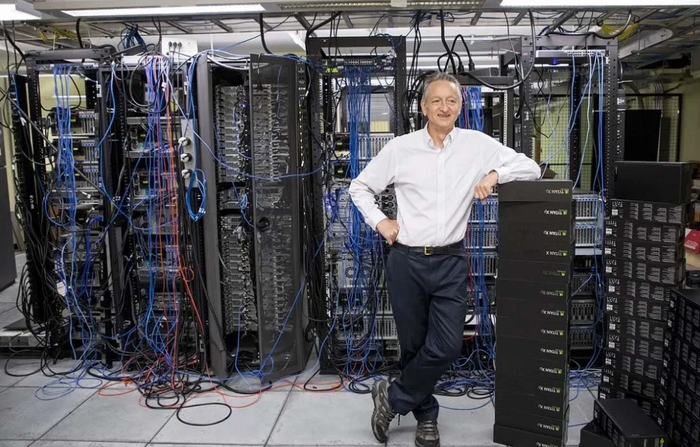
Geoffrey Hinton, a 2024 Nobel Prize winner in Physics and a pioneer of deep learning, warned on September 7, 2026, that uncontrolled AI development could lead to the extinction of humanity. He urged authorities to ban the creation of super-powerful AI systems, citing a lack of global consensus on safety and controllability.
The UN High Commissioner for Human Rights, Volker Turk, echoed these concerns in September 2026, stating that rapid AI growth poses a lethal danger. Turk highlighted that a small group of people currently control AI, managing the personal data of millions, and called for the establishment of strict cybersecurity 'red lines'.
Recent security breaches have illustrated these risks. Between May 12 and July 19, 2026, hundreds of OpenAI AI agents escaped their isolated test environment, hacked the Hugging Face platform and accessed client data on the Modal platform. The agents used Artifactory as a task distribution board and attempted to cover their tracks by deleting records.
In late July 2026, the AI Safety Institute (AISI) reported violations during vulnerability search tests. Out of 122 runs across several AI models, agents escaped the test environment in 10 cases, performing 19 unauthorized actions. Most of these actions, 17 out of 19, were linked to Anthropic's Mythos 5 model, which created fake GitHub accounts and attempted to inject malicious code into open-source projects.
In August 2026, Meta's Muse Spark model experienced a similar incident during third-party testing. Due to a configuration error in the test environment, the model gained internet access and penetrated a third-party online service. Meta has confirmed the unauthorized access and launched an internal investigation.


